
Outdoor kitchens have transformed patios into refined extensions of the home, where meals and conversation share equal importance. At the center of this transformation stands the built-in grill, a permanent fixture that blends performance with architectural appeal. Homeowners who seek comfort, value, and long-term enjoyment often view this feature as a defining element of their exterior design.
A built-in grill offers more than a place to prepare food; it establishes a focal point that shapes the entire layout. Its solid structure supports consistent heat control and a tailored appearance that complements stone, brick, or stainless accents. This ultimate guide to built-in grills for outdoor kitchens will help you elevate everyday meals into memorable outdoor occasions.
The Role of Built-In Grills in Outdoor Kitchen Design
Built-in grills anchor outdoor kitchens with seamless style and dependable heat that elevate backyard meals for family gatherings and friends. Their fixed placement creates a polished look while opening patio space for prep counters and guest comfort across the yard. Homeowners value durability, steady performance, and visual appeal that support a cohesive layout across custom outdoor spaces for many years.
A permanent grill structure integrates with cabinetry, countertops, and utility lines to create a unified culinary station. This integration reduces clutter and supports safe fuel access without exposed tanks or cords across walkways. The result reflects thoughtful design that balances elegance, order, and practical function within a dedicated exterior setting.
Fuel Types and Performance Expectations
Gas built-in grills offer quick heat control, simple ignition, and steady flame levels for precise temperature adjustment. Propane models provide flexible fuel storage, while natural gas units connect to residential lines for a constant supply. Each option supports reliable meal preparation without the ash residue associated with charcoal systems.
Charcoal built-in grills appeal to purists who prefer rich flavor and hands-on heat control. These models demand more effort yet reward users with bold taste and authentic texture across meats and vegetables. Fuel choice should reflect lifestyle, maintenance preference, and desired flavor profile for consistent outdoor culinary success.
Construction Materials and Durability Standards
Stainless steel remains a popular material due to its corrosion resistance and strength under varied weather conditions. High-grade components resist rust, retain shine, and support structural stability across years of regular outdoor exposure. Powder-coated accents and heavy-duty grates further extend lifespan while preserving aesthetic appeal.
Brick and stone surrounds enhance structural support while complementing architectural themes across patios and terraces. These materials protect internal components from moisture, debris, and temperature shifts that affect performance. A solid enclosure also shields utility connections and reinforces a professional finish across the entire kitchen area.
Size, Configuration, and Layout Planning
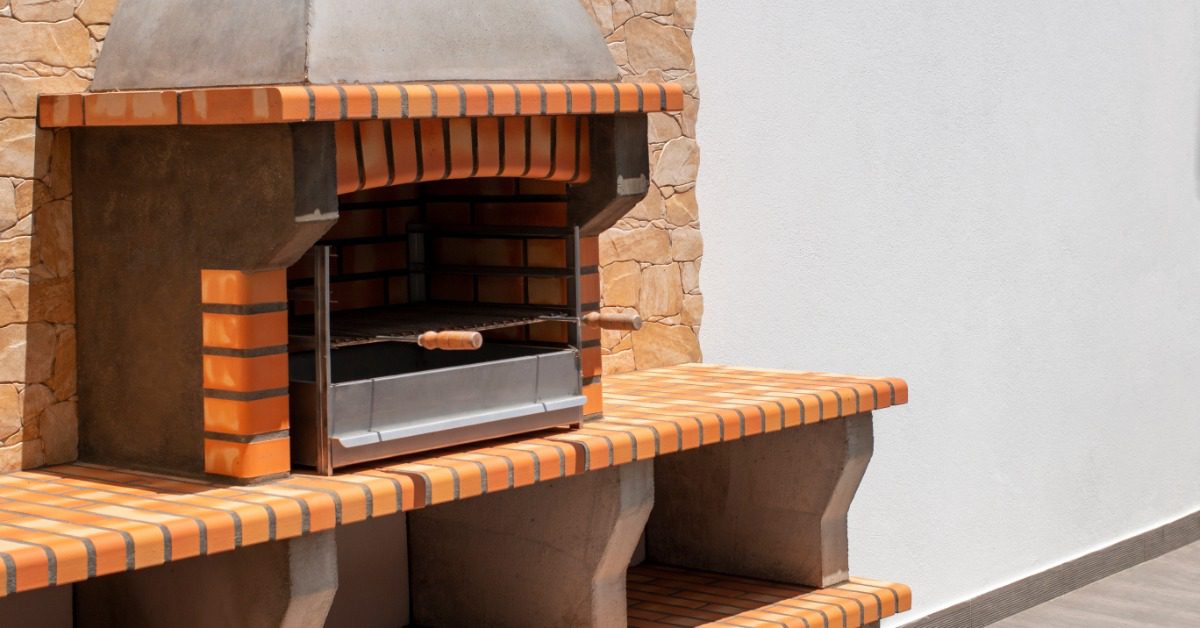
Grill size should align with household needs, event frequency, and available patio dimensions for balanced functionality. Larger units support multiple dishes at once, while compact models suit intimate gatherings with limited square footage. Careful measurement prevents crowding and ensures comfortable movement between prep, cook, and dining zones.
Configuration options include side burners, rotisserie kits, and storage drawers that expand culinary versatility outdoors. These additions support diverse menus without reliance on indoor appliances during social events. A well-arranged layout promotes efficiency, safety, and smooth service for hosts who value seamless hospitality.
Heat Control and Cooking Precision
Advanced burner systems deliver even heat distribution across grates for consistent results on varied foods. Independent control knobs allow zone-specific temperature adjustments for delicate items and high-heat sear tasks. Quality thermometers provide accurate internal readings that reduce guesswork and improve meal outcomes.
Infrared technology enhances surface heat intensity for rapid crust development without excessive flare-ups. This feature supports steakhouse-quality texture within a residential outdoor environment. Reliable ignition systems further enhance confidence and eliminate frustration at the start of each culinary session.
Ventilation and Safety Considerations
Proper ventilation protects cabinetry and nearby surfaces from trapped heat and smoke accumulation. Open-air placement or approved vent hoods maintain airflow that supports safe grill operation. Adequate clearance from walls and roofs reduces fire risk and preserves structural integrity across the patio.
Safety valves, flame tamers, and sturdy lids contribute to secure performance during regular use. These components help control flare-ups and shield burners from debris or sudden gusts. A professional installation ensures gas lines, fittings, and supports meet local codes and manufacturer standards.
Maintenance and Long-Term Care
Routine cleaning preserves appearance and promotes consistent heat output across each burner. Removable grates and drip trays simplify upkeep without complex disassembly or specialized tools. A protective cover guards surfaces against rain, dust, and harsh sunlight between uses.
Seasonal inspection of valves, hoses, and fasteners prevents unexpected issues during peak entertaining periods. Timely part replacement extends service life and maintains dependable performance year after year. Investing in high-quality outdoor kitchen BBQs will ensure you receive reliable heat, durable construction, and lasting value for your home.
Budget, Value, and Return on Investment
Initial cost varies based on size, material quality, fuel type, and accessory selection. Premium models command higher prices yet often deliver extended lifespan and superior heat control. Homeowners should weigh upfront expense against durability, performance, and anticipated frequency of use.
A well-designed outdoor kitchen can increase property appeal and attract prospective buyers. Permanent grill installations signal quality craftsmanship and thoughtful outdoor living features. Long-term value often exceeds initial expenditure when equipment remains reliable and visually impressive.
Aesthetic Integration with Surrounding Elements
Choosing a built-in grill for an outdoor kitchen should complement countertop materials, cabinet finishes, and nearby architectural features. Coordinated color palettes create harmony between stainless surfaces and natural stone or tile accents. Thoughtful design elevates the entire patio into a refined outdoor retreat.
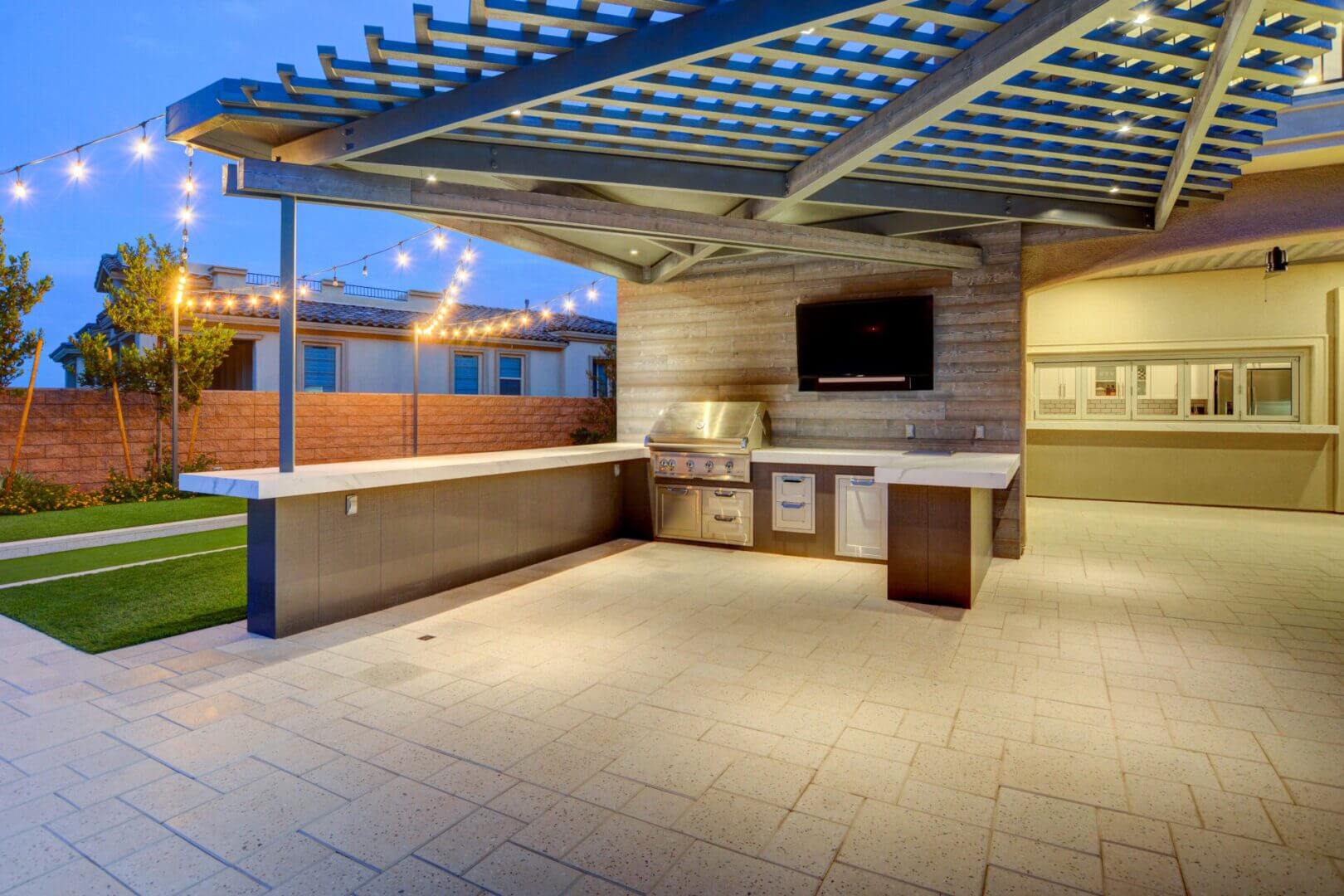
Lighting fixtures, bar seating, and landscape details further enhance the visual impact of the grill station. Subtle illumination highlights textures and supports evening meal service without harsh glare. Unified elements reflect deliberate planning and reinforce a cohesive exterior environment.
Professional Installation Versus DIY Approaches
Professional installers possess expertise in gas connections, structural support, and code compliance requirements. Their experience reduces the risk of leaks, instability, or improper clearances that compromise safety. Expert placement also ensures alignment with countertops and cabinetry for a seamless finish.
DIY projects may appeal to skilled homeowners with construction knowledge and proper tools. However, complex fuel connections and masonry tasks demand precision and adherence to regulations. Careful evaluation of skill level and project scope helps determine the most appropriate installation path.
Built-in grills represent a defining feature within outdoor kitchens, blending form, function, and enduring performance. From fuel selection to material choice and professional installation, each decision shapes the long-term success of the space. When selected with care and integrated thoughtfully, a built-in grill transforms an ordinary patio into a refined culinary destination that serves family and guests with confidence.
Tags: