
The allure of an open flame transforms a simple backyard patio into a destination. Fire brings warmth to cool evenings and light to dark corners of your property. It acts as a natural gathering spot where friends and family instinctively congregate for conversation.
You extend the usability of your outdoor area well beyond the typical summer season. The right fire feature adds significant aesthetic value even when the flames are not active. It serves as a focal point that anchors your landscape design and architectural style.
Homeowners often struggle to choose the best option from the vast array of options available. Factors such as fuel type, material durability, and local regulations complicate the decision process. Safety remains a paramount concern whenever you introduce combustion elements near your home or garden.
With these tips for choosing the best outdoor fire feature, your investment delivers long-term satisfaction and seamless functionality. The more relevant considerations will help you navigate the market with total confidence, differentiating among various styles, fuels, and placement strategies to suit your specific needs.
Assess Your Available Patio Space
Measure your intended area carefully to ensure the fire feature fits without crowding guests. Large units often dominate small patios and make movement around the furniture difficult or dangerous. You must account for seating arrangements around the fire pit or fireplace.
Consider the traffic flow through the yard so the feature does not block pathways. Always maintain a safe distance from your house structure and any flammable landscape elements. Proper scale ensures the new addition feels natural and integrated within your existing outdoor environment.
Determine the Ideal Fuel Source
Wood offers a traditional crackle and distinct aroma that many homeowners find deeply nostalgic. It requires a steady supply of logs and demands more effort to start fires. You must also clean out the ash regularly to maintain proper airflow for combustion.
Gas options provide instant ignition with the simple turn of a key or switch. They burn cleanly, without smoke or flying embers that could damage nearby furniture. Propane tanks offer portability while natural gas lines require a permanent connection to utilities.
Evaluate Material Durability Options
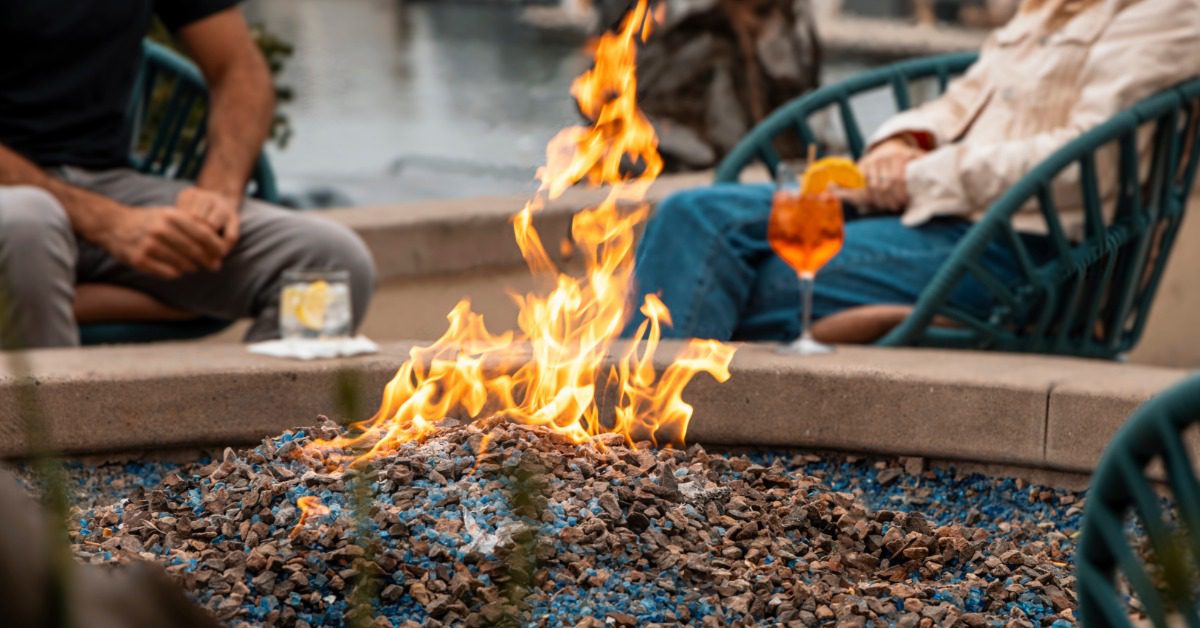
Concrete offers a modern industrial look that withstands harsh weather conditions with minimal maintenance. It comes in various finishes and colors to match your current patio paver style. Heavyweight makes these units stable against strong winds, but makes them difficult to move later.
Metal options like copper or steel develop a unique patina over time and exposure. Stainless steel resists rust and maintains a sleek appearance for a very long time. Stone veneers provide a classic aesthetic that blends seamlessly with natural landscape design themes.
Consider Safety and Local Codes
Check your local municipal ordinances regarding open flames before you make any final purchase. Some areas restrict wood burning during dry seasons to prevent accidental wildfires in neighborhoods. You might need a permit for permanent installations connected to your home gas line.
Keep a fire extinguisher nearby whenever you operate the unit to handle unexpected emergencies. Supervise children and pets closely around the open flame to prevent accidental contact burns. Screen covers help contain sparks and embers when you burn natural wood logs outdoors.
Analyze Heat Output Requirements
Different units produce vastly different amounts of heat measured in British Thermal Units (BTUs). A large fire pit might look impressive, but it offers little warmth on a cold night. You need a unit that matches your climate and typical usage patterns for comfort.
Gas burners often let you easily adjust the flame height and heat output. Wood fires rely on the amount of fuel you add to control the temperature. Working with professional outdoor kitchen contractors is the best way to plan an outdoor space that effectively balances heat distribution and safety.
Select a Style That Fits
A rustic stone pit complements a traditional garden or a country-style home architecture perfectly. Sleek linear burners fit well with contemporary designs and minimalist outdoor furniture sets. The shape should echo other elements in your yard for a cohesive visual impact.
Tabletop fire features offer a dual function as a surface for drinks and food. Fire bowls provide a sculptural element that looks attractive even when not in use. Custom designs allow you to create a unique piece that reflects your personal taste.
Budget for Installation and Upkeep
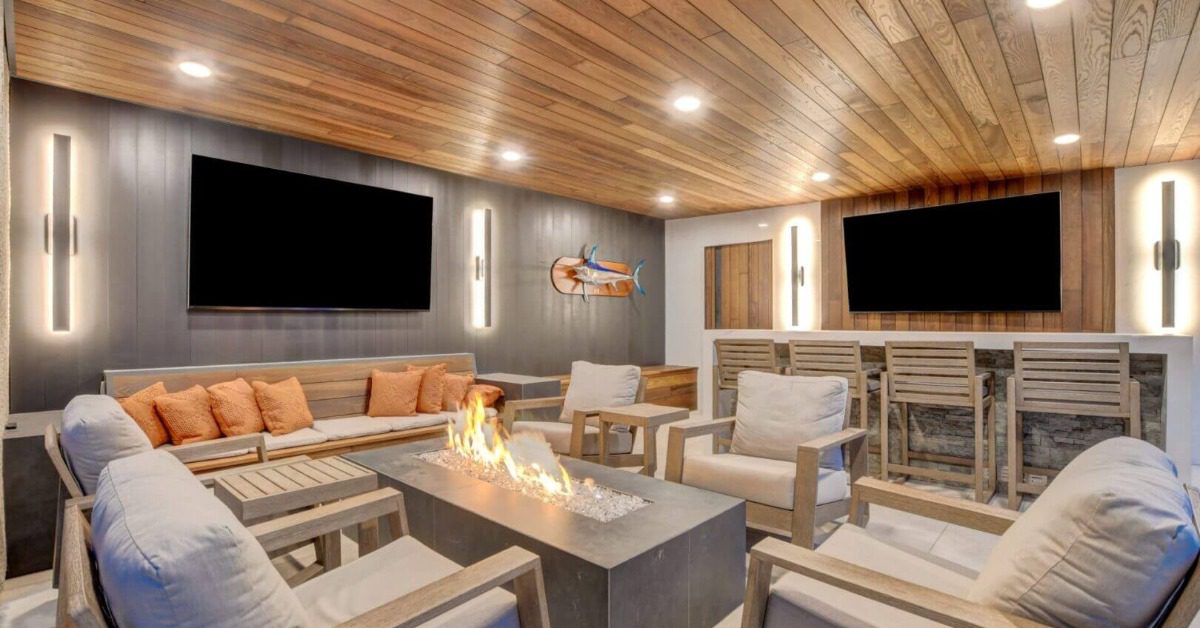
The initial purchase price represents only one part of the total investment for homeowners. Permanent installations often require expensive on-site labor for gas lines or masonry work. Factor in the long-term cost of fuel, such as propane refills or firewood cords.
Maintenance costs also vary significantly between wood and gas options over the unit’s lifespan. Gas burners may require occasional professional service to ensure that valves and lines remain safe. Wood pits require simple tools for ash removal but demand physical effort to clean.
Understand Wind and Weather Impact
Strong breezes can make it difficult to light or enjoy a fire pit outdoors comfortably. Wind guards made of glass protect gas flames and keep them steady on windy nights. Position the feature in a sheltered spot to minimize the effect of localized gusts.
Cover the unit when not in use to protect it from rain and snow. Moisture can damage internal components of gas burners or cause metal pits to rust. Durable covers extend the life of your investment and keep it ready for use.
Explore Accessories for Enhanced Use
The right add-ons increase the functionality and enjoyment of your new outdoor fire feature. Consider these popular options to maximize the value you get from your investment:
- Glass wind guards protect flames from sudden gusts and stabilize the burn.
- Lava rocks retain heat and radiate warmth long after you turn off the gas.
- Fitted covers shield the unit from rain, snow, and harsh UV sun rays.
- Grill grates transform a wood fire pit into a functional barbecue for cooking.
- Fire glass adds a modern sparkle and comes in many vibrant color choices.
- Log sets mimic the look of real wood without the mess or smoke.
Plan for Year-Round Enjoyment
Choosing the best outdoor fire feature for your home lets you use your patio in the colder autumn months. You can roast marshmallows in the fall or enjoy hot cocoa on winter evenings. Proper placement blocks wind and creates a warm microclimate for extended outdoor living sessions.
Think about how the unit functions during the hot summer months without a fire. Some models convert into tables or ice buckets to serve cold drinks at parties. Versatility ensures your investment provides value to your lifestyle throughout every single season.
A fire feature creates a focal point that draws people together and encourages social interaction outdoors. Careful consideration of fuel, style, and safety ensures you make a wise decision. Take time to research options and consult experts if you have specific questions.
Your backyard will become a unique extension of your home for relaxation and entertainment. Start your journey today and look forward to many warm nights under the stars.
Tags: