
Selecting the right patio cover type matters greatly for comfort and long-term performance in Las Vegas. The desert heat here often exceeds safe outdoor comfort levels without proper shade and thermal resistance. Homeowners thinking about day-to-day use and future resale value must weigh cover features against cost, climate, and lifestyle use.
Las Vegas climates make heat control a priority for outdoor spaces nearly year-round, unlike milder regions with less extreme temperature swings. Patio covers add shade and protection, but the choice between insulated and non-insulated determines thermal comfort and functionality. Exploring the differences between insulated and non-insulated patio covers will help you learn about their characteristics, advantages, and decisions relevant to Las Vegas homeowners.
What Is an Insulated Patio Cover?
Insulated patio covers include a core material placed between two rigid outer layers for thermal performance. This construction reduces heat transfer, keeps outdoor spaces cooler under intense sun, and enhances comfort during peak afternoons. These covers often support additional features like fans or lights because of their stronger structure.
In Las Vegas, insulation matters because high daytime temperatures make shaded areas still painfully warm. An insulated patio cover can absorb less radiant heat than simpler alternatives and reduce reflected heat underneath. Homeowners seeking everyday outdoor enjoyment often find this thermal performance worth the initial investment.
What Is a Non-Insulated Patio Cover?
Non-insulated patio covers consist of single-panel materials that provide shade without a thermal layer. These covers serve primarily to block direct sunlight and shield from precipitation while remaining simple in design. They typically cost less upfront and install faster with fewer materials required.
In Las Vegas’s desert environment, non-insulated covers still reduce direct sun exposure, supporting cooler shaded areas. However, heat reflected from the underside can remain high without a thermal barrier inherent to insulation. This difference prompts many local homeowners to weigh short-term cost against long-term comfort more carefully.
Material Differences and Construction Quality
Insulated covers usually incorporate foam or similar cores between aluminum panels that increase rigidity and thermal resistance. This layered build enhances temperature control and durability under harsh climate conditions. Often, insulated panels have a finished look that supports built-in lighting and ceiling fixtures.
Non-insulated covers use single material panels like aluminum or acrylic sheet without additional thermal layers. These covers remain lightweight and uncomplicated due to fewer parts and simpler assembly. The straightforward construction suits homeowners prioritizing quick deployment and basic sun protection.
Local Climate Impact and Heat Management
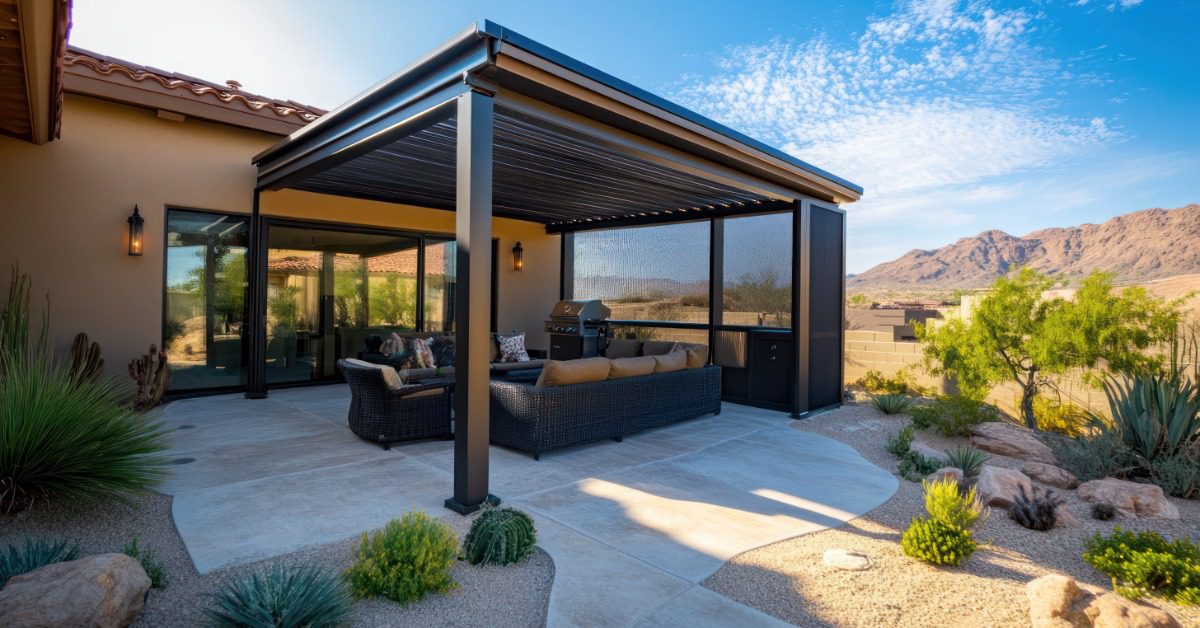
Las Vegas summers push patio surfaces and shaded areas to extreme temperatures beyond what normal shade provides. Insulated patio covers help limit sun transfer into outdoor spaces and make patios more enjoyable at midday. Their thermal resistance supports significant heat reduction beneath the structure.
Non-insulated patio covers block direct sun, yet heat can still radiate downward through the panel surface. This results in shaded areas that may feel warm despite shade overhead in late summer afternoons. For homeowners focusing on occasional afternoon shade, these covers serve functional needs without premium features.
Installation and Long-Term Use Considerations
Insulated patio covers require careful alignment and sealing to maximize thermal performance and prevent gaps. Professional installations ensure structural integrity, appropriate drainage, and enhanced lifespan in extreme weather. High-quality materials like those used at Custom Outdoor Living ensure longevity in Nevada conditions.
Non-insulated covers install with fewer complexities, which reduces labor and overall cost. The simpler installation suits DIY-minded homeowners or small budgets where extensive temperature control is secondary. In either scenario, proper anchoring and finishing protect against strong winds common in desert locales.
Cost Comparison and Budget Planning
Insulated patio covers involve higher upfront expenses due to specialized materials and labor requirements. Though expensive initially, they often offset long-term comfort costs and increase usability throughout Las Vegas summers. Families planning heavy outdoor use appreciate this extended usability and thermal comfort payoff.
Non-insulated patio covers cost less, making them accessible for basic shading needs and lighter budgets. For homeowners who use patios less frequently or mainly for partial shade, this cost savings aligns with use patterns. Budget planning should include structural quality, expected use frequency, and thermal expectations for outdoor comfort.
Performance in Everyday Use
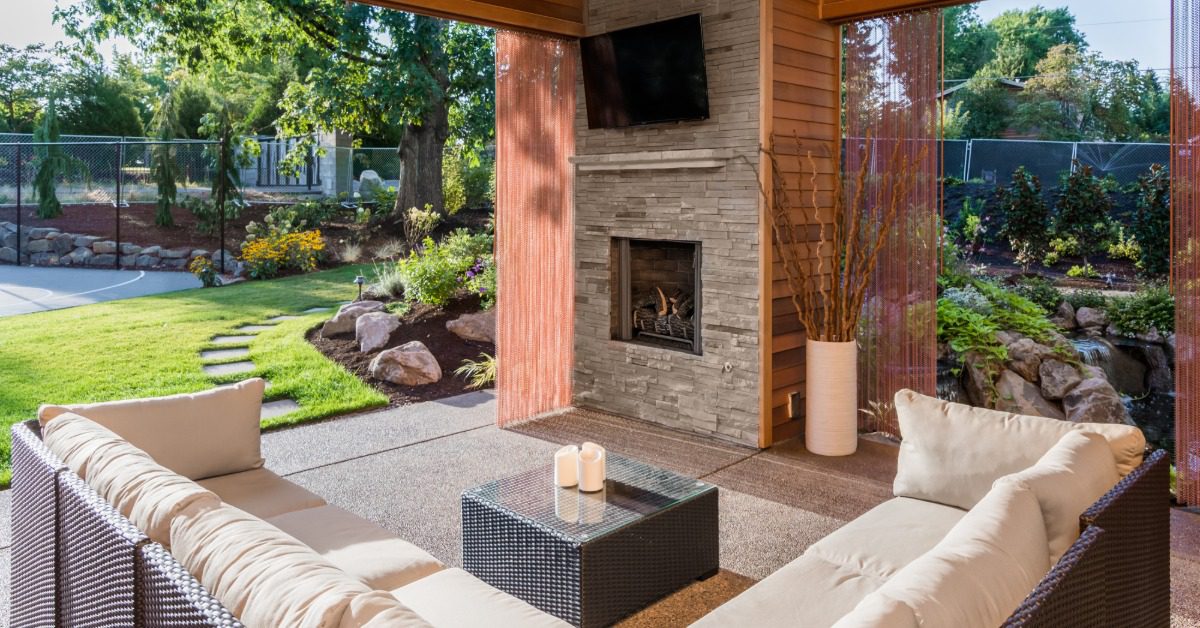
Insulated patio covers perform well for daily outdoor meals, relaxation, and hosting social events under less intense heat. Their thermal regulation enhances usability earlier and later in the day compared with non-insulated options. Families with children or frequent guests often appreciate this all-day comfort.
Non-insulated patio covers serve occasional use well and deliver clean shade for routine tasks or short-term gatherings. Their simpler panels keep shade open and ventilated, which suits lighter activities. Homeowners looking for straightforward aesthetics and basic protection frequently choose this option.
Quality and Reliability
Duralum patio covers offer strength, longevity, and aesthetic appeal using high-grade aluminum materials. These covers resist warping, rust, and fading, enhancing outdoor spaces with lasting performance under the Nevada sun and wind. Custom Outdoor Living installs these premium products to elevate outdoor living environments.
Installing Duralum insulated patio covers is the best decision to ensure consistent thermal comfort, reliable shade coverage, and extended use of outdoor spaces throughout searing Las Vegas summers. Their engineered build supports structural strength and homeowner satisfaction for long-term outdoor enjoyment. These premium covers integrate with other outdoor features, creating cohesive backyard designs.
Aesthetic Appeal and Property Value
Insulated patio covers often exhibit a polished look, making patios feel like integrated home extensions. Their sturdy panels support built-in lighting and fixtures that elevate outdoor ambiance. Such enhancements can increase both functional appeal and resale value for homeowners investing in quality outdoor spaces.
Non-insulated patio covers suit minimalist designs with simplicity and open shade. They complement traditional architectural styles without overpowering backyard aesthetics. These covers help define outdoor areas and add practical shade without complex design statements.
Final Decision Factors
When choosing patio covers in Las Vegas, consider heat intensity, outdoor use frequency, and budget limitations. Insulated options suit frequent use and high daytime activity, while non-insulated covers fit occasional shade needs. Aligning cover characteristics with lifestyle goals ensures homeowners enjoy outdoor spaces year-round.
Climate, cost, and performance expectations should drive the final decision between insulated and non-insulated patio covers. Understanding local conditions and long-term comfort needs leads to choices that enhance backyard enjoyment. Whether upgrading for daily comfort or seasonal shade, informed decisions maximize outdoor living satisfaction.
Choosing between insulated and non-insulated patio covers hinges on how often and intensely you use your outdoor spaces in Las Vegas. Insulated covers provide superior thermal performance, longer comfort hours, and potential energy efficiency benefits. Non-insulated covers offer functional shade at a lower cost and simpler installation.
For Las Vegas homeowners, patio covers are smart investments against relentless desert sun and heat. Quality materials and professional installation deliver spaces that feel cooler and serve everyday lifestyles better. Thoughtful selection ensures your patio becomes a comfortable extension of your home year-round.
Tags: