
Las Vegas offers a unique outdoor lifestyle shaped by desert heat, clear skies, and long evenings that invite outdoor meals. Homeowners often consider grill options that match climate demands and personal taste preferences for reliable cooking results. Gas and charcoal grills each offer distinct benefits, and careful evaluation helps residents choose equipment that suits their lifestyle and environment.
The choice between gas and charcoal grills depends on factors such as flavor preference, maintenance expectations, and convenience during frequent use. Las Vegas weather adds another layer of consideration because extreme heat and wind can affect grill performance and fuel efficiency. Understanding how each option performs under local conditions allows homeowners to invest with confidence and enjoy consistent outdoor cooking experiences.
Climate Considerations
Las Vegas heat creates intense conditions that affect cooking surfaces, fuel use, and overall grill performance during outdoor meal preparation throughout the year. Gas grills offer stable heat control under desert temperatures, while charcoal units require more attention to maintain steady cooking conditions outdoors. Wind also plays a role, as sudden gusts can disrupt charcoal heat patterns more easily than controlled gas burners during evening cookouts.
Dry air reduces moisture during cooking, which may influence how meats retain juiciness across different grill types in outdoor kitchen setups. Gas systems allow faster adjustments to preserve moisture, while charcoal grills demand closer monitoring to avoid excessive dryness under desert conditions. These environmental factors shape how each grill performs and guide buyers toward choices that match local climate realities.
Flavor Profiles and Cooking Experience
Charcoal grills produce a rich smoky flavor that many enthusiasts prefer for meats, vegetables, and traditional barbecue dishes served outdoors. This flavor comes from natural combustion of charcoal and wood, creating complex aromas that enhance taste during extended cooking sessions. Gas grills provide cleaner heat, resulting in a milder flavor profile that highlights seasoning rather than smoke intensity.
Some cooks prefer the consistency of gas heat, while others value the authenticity of charcoal flavor for special gatherings and weekend meals. Flavor preference often becomes the deciding factor for many homeowners who prioritize taste over convenience in outdoor cooking decisions. Each option offers satisfaction, though personal expectations will determine which experience feels more rewarding during regular use.
Convenience and Ease of Use
Gas grills provide immediate ignition and precise temperature control, allowing users to begin cooking quickly without extended preparation time or effort. This convenience appeals to busy homeowners who want efficient meal preparation without managing charcoal or waiting for heat stabilization. Simple controls also reduce learning curves for beginners who seek reliable results during everyday cooking situations.
Charcoal grills require more preparation, as users must light fuel, wait for coals to reach the proper temperature, and manage airflow carefully. While this process demands effort, many grill enthusiasts appreciate the hands-on approach and sense of tradition that comes with charcoal cooking. The choice between convenience and involvement often reflects personal lifestyle preferences and cooking habits within Las Vegas households.
Maintenance and Cleaning Requirements
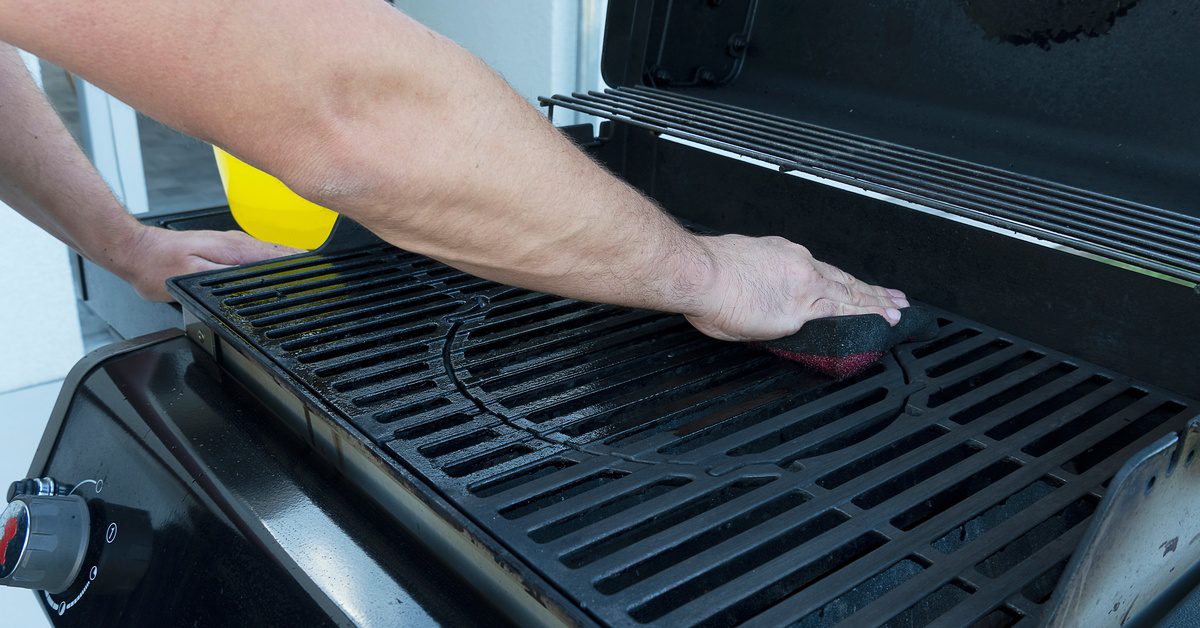
Gas grills require routine cleaning of burners, grates, and grease systems to ensure safe operation and consistent performance across multiple cooking sessions. These tasks remain manageable with regular attention and simple tools designed for outdoor kitchen maintenance routines. Proper care extends the lifespan of gas grills and preserves efficiency under demanding desert conditions.
Charcoal grills generate ash residue that requires removal after each use, along with cleaning of grates and interior surfaces exposed to combustion. This process can take more time, though many users accept it as part of the traditional grilling experience. Maintenance expectations differ significantly, and buyers should consider how much effort they want to dedicate after each meal.
Safety and Environmental Factors
Gas grills provide controlled fuel systems that reduce the risk of flare-ups when maintained properly and used according to manufacturer recommendations. These systems also produce fewer particulates, contributing to cleaner air during outdoor cooking sessions in residential neighborhoods. Safety features such as automatic shutoff valves further enhance reliability and user confidence.
Charcoal grills present higher risks of sparks and ash dispersal, especially under windy conditions common in Las Vegas outdoor environments. Proper handling and placement reduce these risks, though users must remain attentive during operation and after cooking sessions conclude. Environmental considerations may influence decisions for homeowners who prioritize safety and air quality in outdoor spaces.
Cooking Speed and Efficiency
Gas grills heat quickly, allowing users to start cooking within minutes and complete meals efficiently without extended preparation time or fuel management concerns. This speed benefits homeowners who host gatherings or prepare meals after long workdays in Las Vegas environments. Consistent heat also reduces cooking time for many dishes, improving overall efficiency.
Charcoal grills require additional time to reach optimal cooking temperatures, which can extend preparation time but may enhance flavor for certain foods. Some users view this process as part of the experience rather than a drawback, especially during leisurely weekend gatherings. Efficiency preferences depend on whether speed or tradition holds greater importance for everyone.
Lifestyle Fit and Personal Preference
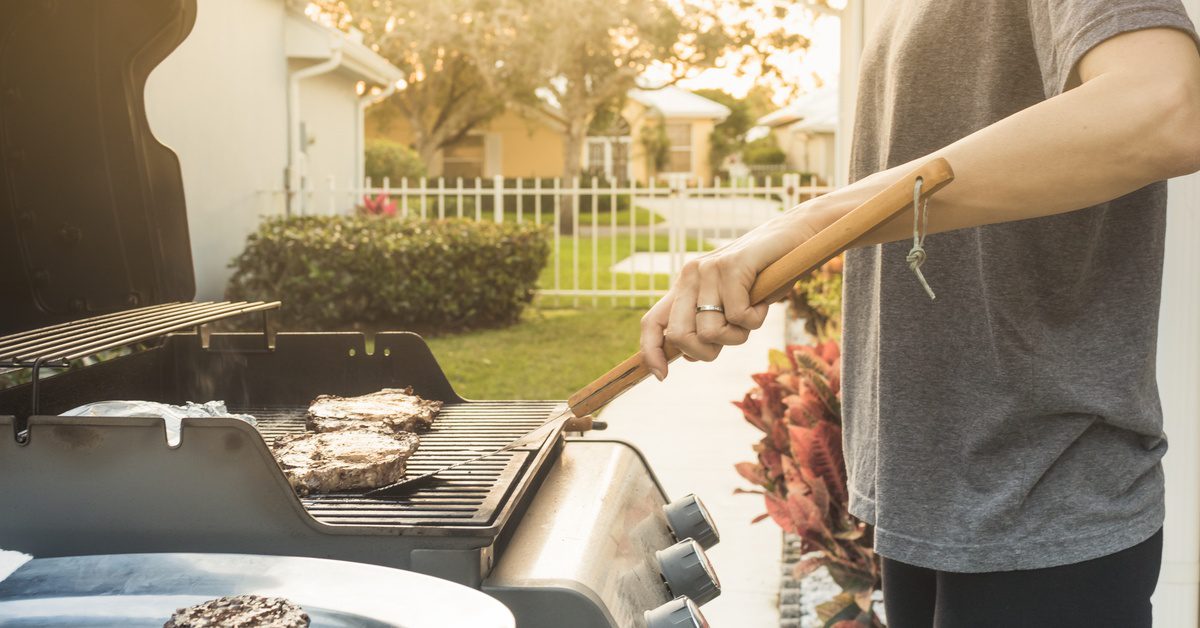
Lifestyle plays a significant role in grill selection, as homeowners consider how often they cook outdoors and what level of effort they prefer during meal preparation. Gas grills suit those who value convenience and efficiency, while charcoal grills appeal to individuals who enjoy traditional methods and hands-on involvement. Personal habits and expectations shape the final decision.
With high-quality outdoor kitchen grills, you can achieve reliable performance, elevate outdoor meals, and create memorable experiences tailored to your unique lifestyle preferences. This statement reflects how quality equipment enhances both convenience and enjoyment regardless of fuel choice. Selecting the right grill ensures satisfaction that aligns with daily routines and long-term goals.
Versatility and Cooking Options
Gas grills offer versatile cooking options, including direct heat, indirect heat, and additional features such as side burners for expanded meal preparation possibilities. These capabilities support a wide range of recipes, from simple meals to complex dishes prepared during social events. Versatility makes gas grills appealing to users who enjoy experimenting with different cooking styles.
Charcoal grills also provide versatility, particularly for smoking and slow cooking techniques that develop deep flavors over extended periods. Users can adjust coal placement and airflow to create various cooking environments suited to different types of food preparation. Each grill type supports diverse culinary approaches, though methods differ in execution and required skill levels.
Choosing between gas and charcoal grills requires careful consideration of climate, lifestyle, flavor preference, and maintenance expectations. Each option offers distinct advantages that cater to different priorities, from convenience and efficiency to tradition and rich flavor profiles. Understanding these differences helps homeowners make informed decisions that align with personal needs.
Ultimately, the best grill depends on how you value ease of use, cooking experience, and overall outdoor lifestyle integration. Both gas and charcoal grills can deliver exceptional results when selected with clear expectations and a proper understanding of their capabilities. With thoughtful evaluation, you can enjoy outdoor cooking that complements your environment and enhances everyday living.
Tags: