
A patio can change how a home feels from the moment residents step outside. The right design creates a natural extension of the house and makes exterior space more useful despite the demanding desert climate. Homeowners often face one major decision before a patio project takes shape: whether an enclosed patio or an open patio better suits the property.
Las Vegas weather makes this decision more significant than it may seem at first. Strong sunlight can dominate an exposed yard for much of the year, and desert winds can carry dust across outdoor surfaces. A patio must respond to those conditions without sacrificing the character that makes exterior space enjoyable.
Personal habits ultimately shape the best choice. Some homeowners want an easy transition from the kitchen to a shaded exterior retreat, whereas others prefer greater separation from the surrounding environment. A closer look at the differences between enclosed and open patios will help you make the decision that matches your lifestyle.
Let the Desert Climate Shape the Decision
Las Vegas delivers abundant sunshine, but that sunshine can make an exposed exterior space difficult to enjoy during hotter months. An open patio with substantial overhead coverage can reduce direct sun exposure without eliminating the fresh atmosphere that defines an outdoor retreat. Residents remain connected to the yard, and the space retains a relaxed exterior character.
An enclosure creates a noticeably different environment. Walls and windows provide another barrier between residents and the desert air, especially when wind sends dust across the property. For homeowners who want greater separation from intense exterior conditions, that distinction can carry considerable weight.
Think About the Desired Sense of Privacy
Privacy can change the entire patio experience, particularly on Las Vegas properties where neighboring homes sit relatively close together. An open patio leaves more of the surrounding landscape visible, but it can also leave residents more visible from nearby properties. Thoughtful structural placement can preserve openness without making the space feel excessively exposed.
An enclosure offers a more direct route toward a secluded atmosphere. Solid sections or carefully placed windows can reduce unwanted sightlines and make the patio feel distinctly personal. The result can resemble a private extension of the home rather than a conventional exterior seating area.
Preserve the Connection With the Yard
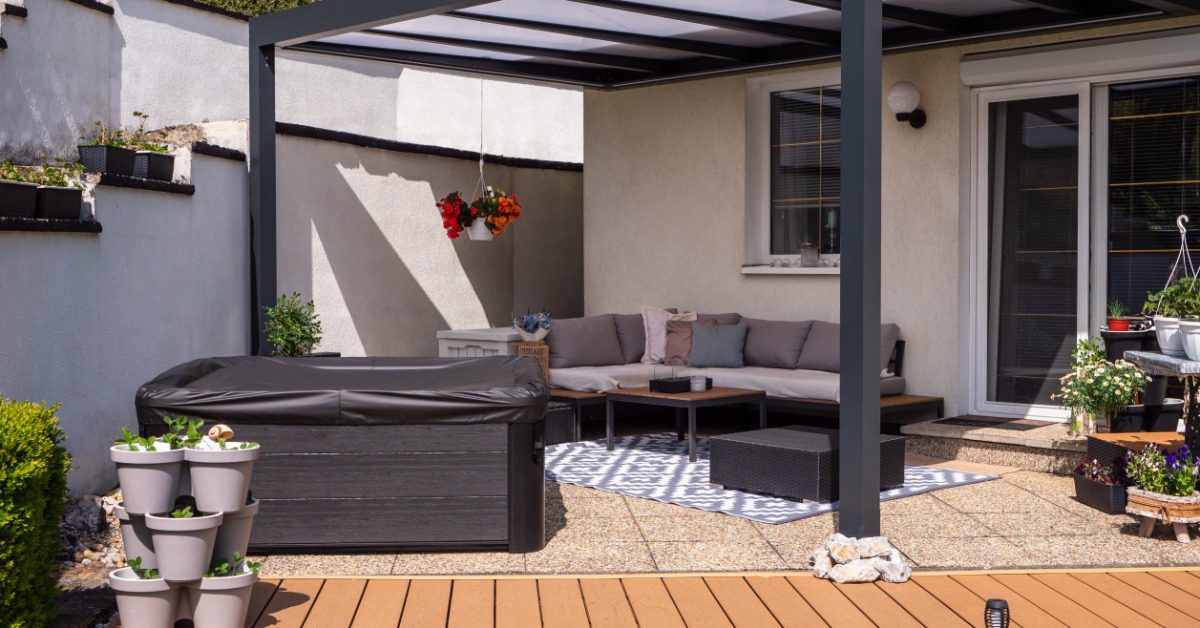
An open patio makes the transition from house to yard feel immediate. Residents can step beneath the cover and continue directly toward a pool or another exterior area without passing through an additional barrier. That uninterrupted flow can make the entire property seem larger and more cohesive.
An enclosed design changes that relationship because doors and walls establish clearer boundaries. The yard remains accessible, but the patio gains its own identity within the overall property. For some homes, that definition creates welcome structure; for others, it can reduce the sense of openness residents want outdoors.
Make Shade Part of the Patio Experience
Las Vegas sunshine can quickly determine whether a patio feels inviting or uncomfortable. A well-proportioned roof creates relief from direct exposure and gives residents a more practical place to spend time outside. With one of the incomparable Durable aluminum patio covers, you can establish dependable shade without sacrificing the open character that makes an exterior patio appealing.
An enclosed patio can provide even greater separation from direct sunlight, although windows deserve careful placement in the desert. Large glass sections can introduce substantial heat when strong afternoon sun reaches them directly. A thoughtful design considers how sunlight moves across the property and uses the structure itself to create a more comfortable environment.
Consider How Much Care the Space Demands
Desert dust has a way of reaching exterior surfaces even during relatively calm periods. Open patios remain more exposed to those conditions, so furniture and floors may require regular attention to retain a clean appearance. Material quality becomes especially important because intense sunlight and dry air place constant pressure on exposed surfaces.
An enclosed patio reduces direct exposure, but it does not eliminate routine care. Windows can reveal dust quickly, and doors or screens may require occasional attention as the seasons pass. The difference lies less in whether maintenance exists and more in the type of care each structure demands from the homeowner.
Understand How the Project Changes With Enclosure
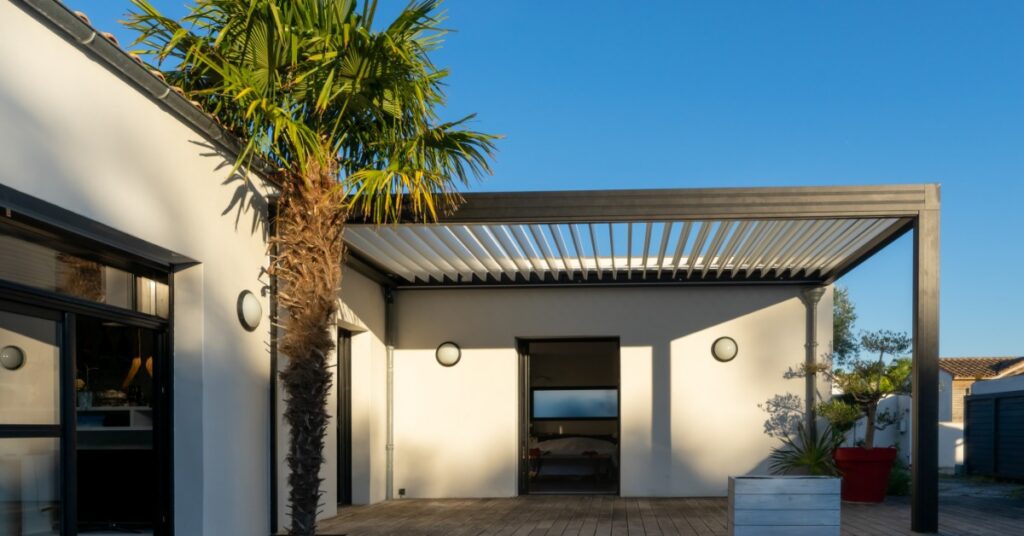
An open patio can have a relatively straightforward structural concept because the roof remains the dominant feature. Even then, the final project depends heavily on the size of the space and how the new structure connects with the existing house. A simple appearance does not remove the need for thoughtful design.
An enclosure introduces another level of complexity because the structure starts to resemble a defined room. Additional structural details can affect both the scope and final investment required for the project. Homeowners benefit from viewing the patio as a complete architectural addition rather than focusing only on the initial construction price.
Respect the Character of the House
The most successful patio additions look intentional. An open structure can complement many Las Vegas homes because it leaves much of the original exterior visible and allows the existing architecture to remain prominent. Proper proportions help the new roof feel connected to the residence rather than attached as an afterthought.
An enclosed patio has a stronger visual presence, so its relationship with the house becomes even more noticeable. Window proportions and exterior finishes should feel consistent with the original architecture without forcing an exact imitation. When those details work together, the enclosure can appear naturally integrated with the property.
Choose the Experience That Fits the Home
No patio format suits every Las Vegas property. An open patio works best when homeowners want the unmistakable character of an exterior retreat and prefer an easy relationship with the surrounding yard. It creates shade without completely changing the way residents experience the outdoors.
An enclosed patio takes the experience in another direction. It offers a stronger sense of separation and can make the space feel more like an extension of the home’s interior. The right decision becomes clearer when homeowners focus on the atmosphere they want to experience rather than simply compare structural features.
Choosing between an enclosed patio and an open patio requires more than a quick comparison of appearance. Each format changes how residents interact with the house, the yard, and the Las Vegas climate. The decision should reflect the character of the property as much as the expectations of the people who live there.
A patio should ultimately feel natural every time residents use it. When its proportions suit the property and its structure responds well to desert conditions, the space becomes more than an exterior addition. It becomes a purposeful part of the home that feels comfortable and ready for regular use.
Tags: