
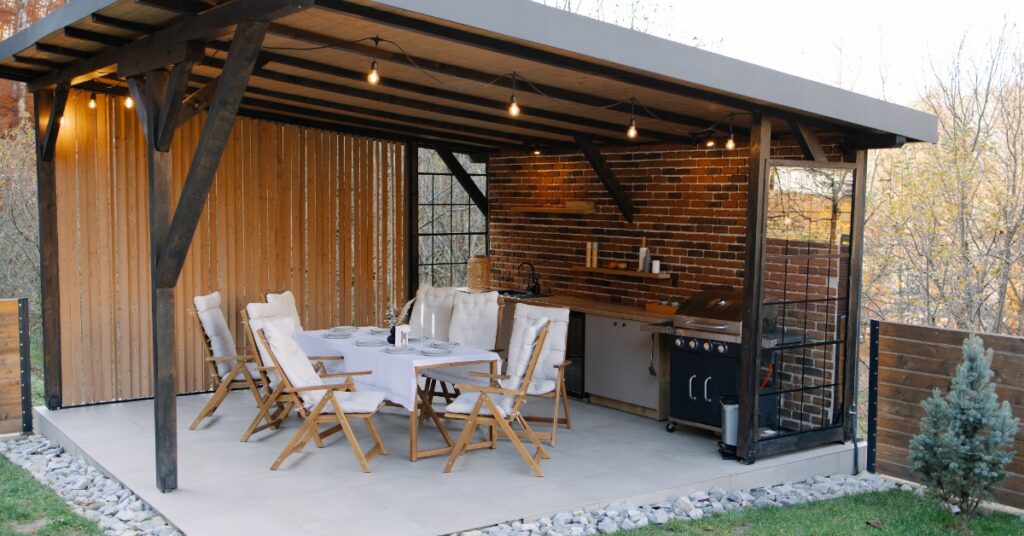
Outdoor kitchens have become a defining feature for homeowners across Las Vegas who seek comfort and value in their outdoor spaces. The desert climate invites gatherings and quiet evenings under open skies, which makes outdoor living areas highly desirable. Many property owners now consider whether they should take on installation themselves or hire professionals who understand the unique demands of the region.
A decision between a DIY project and professional outdoor kitchen installation often depends on budget and expectations for results. Each path presents advantages and drawbacks that influence overall satisfaction once construction reaches completion. Understanding each approach helps homeowners plan carefully and avoid setbacks that could affect durability and safety.
Material Selection for Desert Conditions
Las Vegas climate demands materials that resist heat and sudden temperature shifts that occur between seasons. DIY builders may choose materials based on cost or appearance without full knowledge of durability under extreme desert conditions. Professionals select proven materials that maintain strength and structure despite constant exposure to harsh outdoor elements.
Proper material choice affects safety and overall lifespan of the outdoor kitchen installation in demanding environments. Experts consider expansion rates, moisture resistance, and surface finishes that withstand wear from frequent use and cleaning. DIY mistakes in this area often lead to premature damage that requires repair or full replacement of key components.
Budget Control and Cost Considerations
Cost remains a primary factor for homeowners who compare DIY projects with professional outdoor kitchen installation services. DIY approaches appear less expensive at first since labor costs remain lower and materials don’t need to be available all at once. Professional installation includes labor and project management that create higher initial investment but often reduce unexpected expenses later.
Hidden costs can arise in DIY projects due to errors and corrections that extend project duration beyond original estimates. Professionals provide accurate quotes and manage resources efficiently to maintain budget control throughout each phase of the installation process. This structured approach prevents financial surprises and ensures consistent progress toward completion with predictable outcomes.
Design Quality and Customization Options
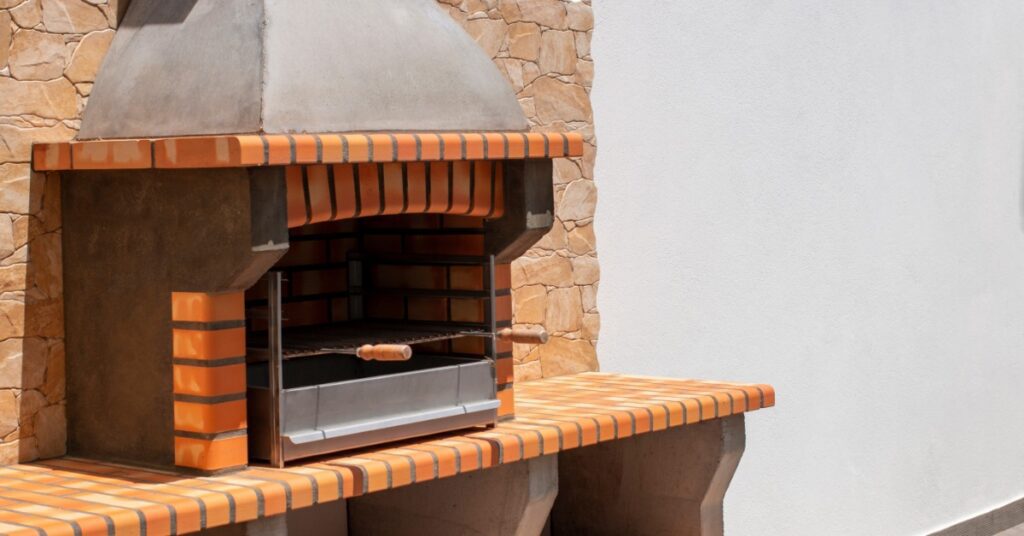
Design plays a major role in how an outdoor kitchen functions and how it integrates with the overall appearance of a backyard space. DIY designs often rely on templates or inspiration that may not fully suit the specific layout or lifestyle needs of the homeowner. Professional designers create custom solutions that reflect personal preferences and maximize usability within the available space.
Attention to detail enhances both visual appeal and functionality through thoughtful placement of appliances, storage areas, and seating arrangements. Professionals ensure that each element complements the overall design and contributes to a cohesive outdoor environment. DIY projects may struggle to achieve this level of refinement without access to design expertise and planning tools.
Skill Level and Technical Requirements
Outdoor kitchens involve complex systems such as gas lines, electrical wiring, and plumbing connections that require proper knowledge and execution. DIY builders may possess basic construction skills but lack experience with integrated systems that demand precise installation for safety and function. Professional contractors bring certified expertise that ensures each system operates correctly under local regulations and safety codes.
Improper installation can lead to hazards such as gas leaks or electrical failures that put property and personal safety at risk. Professionals follow established procedures and conduct thorough inspections to verify system integrity before final project completion. This level of assurance provides confidence that the outdoor kitchen will perform safely under regular use conditions.
Compliance with Local Codes and Permits
Las Vegas regulations require permits and adherence to building codes for outdoor kitchen installations that involve structural or utility modifications. DIY builders may find the permit process complex and time-consuming without prior experience in navigating local requirements. Professional contractors handle permits and ensure compliance with all regulations to avoid legal issues or project delays.
Failure to meet code requirements can result in fines or the need to redo work that does not meet standards. Professionals stay updated on local regulations and apply best practices to meet all compliance criteria during installation. This knowledge protects homeowners from complications and ensures the project meets legal expectations.
Value Impact and Return on Investment
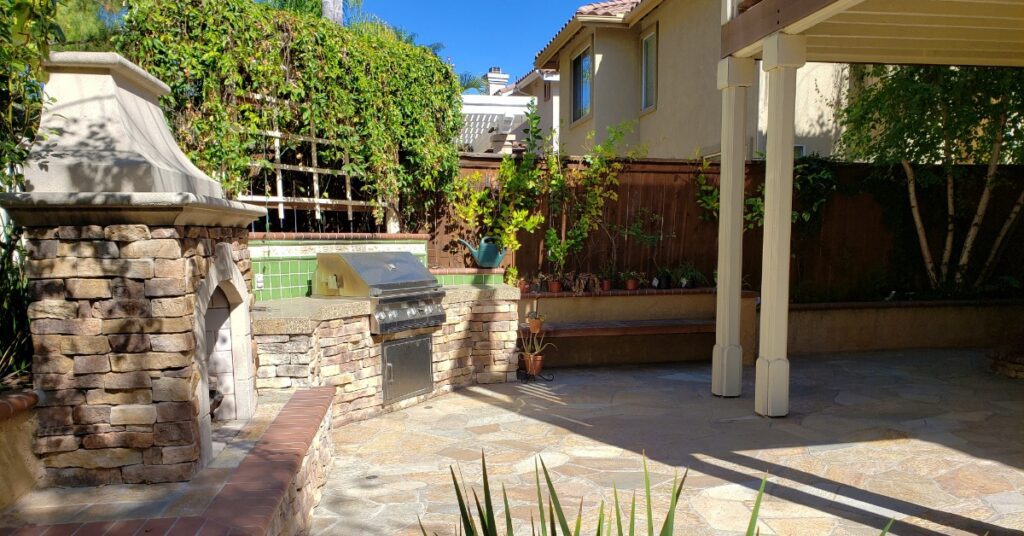
Outdoor kitchens can increase property value and enhance appeal for potential buyers when designed and installed with quality standards. DIY projects may not achieve the same level of finish or durability that influences buyer perception and overall property value. Professional installations create polished results that contribute to higher resale value and long-term satisfaction.
With the help of professional outdoor kitchen contractors, you can create a refined outdoor space that enhances property value and supports reliable performance over time. This investment often delivers strong returns through improved usability and buyer interest in competitive real estate markets. DIY efforts may limit these benefits due to inconsistent quality or design limitations.
Maintenance and Long-Term Performance
Outdoor kitchens require regular maintenance to preserve appearance and function under constant exposure to weather and frequent use. DIY installations may use materials or techniques that increase maintenance needs due to improper sealing or assembly methods. Professional installations prioritize durability and ease of maintenance through proper construction and material selection.
A well-built outdoor kitchen maintains performance over time and reduces the need for repairs or replacements. Professionals design systems that allow easy access for maintenance tasks and ensure components withstand wear from daily use. DIY projects may require more frequent attention and repairs due to initial construction limitations or material choices.
Final Comparison and Decision Factors
Choosing between DIY and professional outdoor kitchen installation depends on budget, skill level, time availability, and expectations for final results. DIY projects offer personal involvement and potential cost savings but require commitment and tolerance for challenges during construction. Professional services provide expertise and consistent quality that justify higher initial investment for many homeowners.
Each option presents unique advantages that align with different priorities and resources for outdoor kitchen installation in Las Vegas environments. Homeowners must assess their capabilities and desired outcomes before selecting the approach that best suits their needs. A careful evaluation ensures the result meets expectations and delivers lasting satisfaction.
Outdoor kitchen installation in Las Vegas reflects more than a design choice since it represents a balance between expertise and lasting performance. DIY efforts can offer control and personal satisfaction, though they often reveal limits in time and technical execution under demanding desert conditions. Professional installation delivers consistency and refined results that align with functional needs and elevated outdoor living expectations.
A successful outdoor kitchen depends on proper system integration and adherence to local standards that protect investment and safety. When homeowners weigh every element with clarity, they position themselves to create an outdoor space that performs reliably and enhances daily life and property appeal.
Tags: