
Outdoor kitchens in Las Vegas face intense heat, dry air, and frequent use, all of which demand careful design for comfort. Proper ventilation stands as a key element that supports safety and cooking performance in exterior culinary spaces. Without effective airflow, different factors create discomfort and potential hazards that affect equipment and user experience.
Homeowners invest in outdoor kitchens to prepare meals and extend living space beyond interior walls. The importance of ventilation in outdoor kitchens ensures that these experiences remain pleasant, as it removes unwanted particles and maintains a balanced environment around cooking areas. In Las Vegas, where climate extremes shape daily life, ventilation serves not just as an option but as a necessary component.
Climate Challenges
Las Vegas presents extreme heat conditions that place outdoor kitchens under constant thermal stress during most months throughout the year. High temperatures amplify smoke and grease buildup, causing discomfort and reducing air clarity within cooking zones during frequent meal preparation sessions. Proper ventilation systems counteract these effects, helping maintain cooler surroundings and allowing consistent airflow that improves usability across different seasons.
Desert air also contributes to the rapid accumulation of airborne particles that linger without adequate ventilation support in outdoor kitchen spaces. These particles settle on surfaces, affecting cleanliness and requiring frequent maintenance that interrupts the overall enjoyment of cooking outdoors regularly. Effective ventilation minimizes this issue, ensuring that contaminants exit the space quickly while preserving both hygiene and visual appeal.
Smoke and Air Quality Control
Cooking processes release smoke that carries grease particles and odors, creating an unpleasant atmosphere when ventilation does not function properly. In enclosed or semi-enclosed outdoor kitchens, this smoke accumulates and reduces visibility, making cooking tasks more difficult and less enjoyable. A well-designed ventilation system removes smoke efficiently, allowing clear sightlines and maintaining fresh air throughout the cooking environment.
Air quality impacts health as well as comfort, especially when exposure to cooking fumes occurs over extended periods during frequent outdoor gatherings. Poor ventilation allows harmful particles to linger, increasing the risk of irritation and discomfort for hosts and guests. Proper systems ensure clean airflow, reducing exposure and promoting a healthier outdoor cooking experience.
Heat Management and Comfort
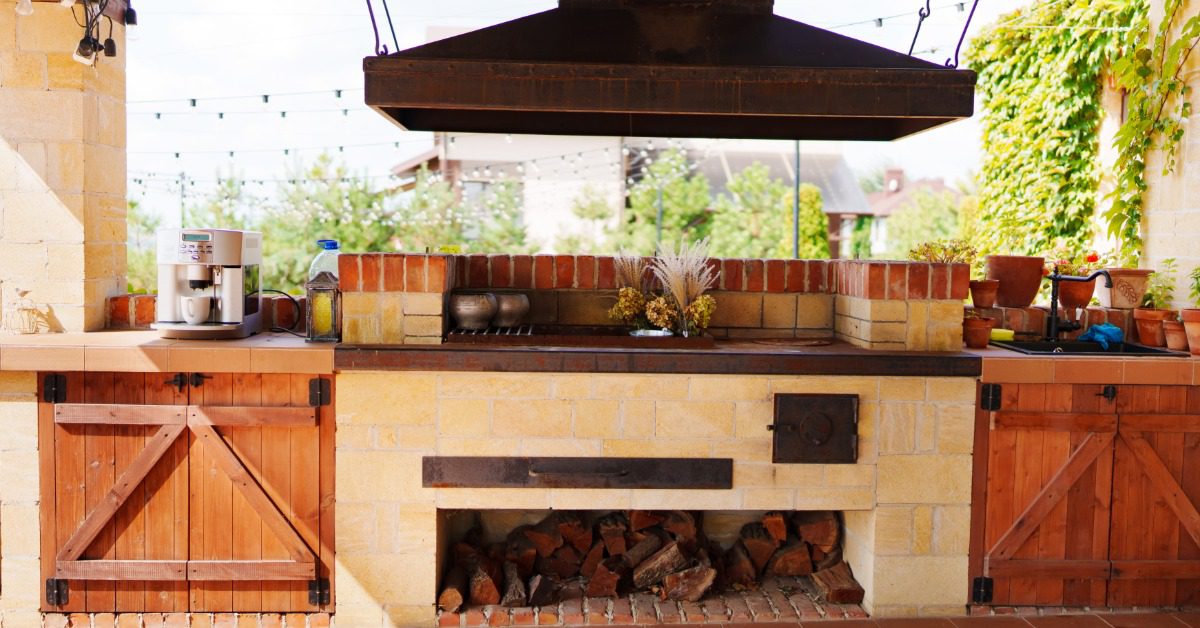
Outdoor kitchens in Las Vegas already face intense ambient temperatures that rise significantly during summer months, affecting usability and comfort levels. Cooking appliances add additional heat, creating zones that become unbearable without adequate ventilation to disperse accumulated warmth quickly and efficiently. Ventilation systems help regulate temperature, ensuring that heat does not concentrate excessively around grills, stoves, and preparation areas.
Comfort influences how often homeowners use their outdoor kitchens, as excessive heat discourages extended cooking sessions or social gatherings in these spaces. Proper airflow allows heat to dissipate, creating a more inviting environment that supports longer use and greater enjoyment for all participants. This balance enhances the overall value of the outdoor kitchen investment.
Fire Safety Considerations
Outdoor kitchens involve open flames and high-heat equipment, creating potential fire risks that increase without proper ventilation to manage combustible particles. Grease buildup within confined areas can ignite under certain conditions, posing significant safety hazards for homeowners and guests during cooking activities. Effective ventilation reduces these risks by removing flammable particles and maintaining safe airflow throughout the cooking space.
Safety measures extend beyond immediate fire prevention, as proper ventilation also ensures that heat disperses rather than concentrating in vulnerable areas. This distribution lowers the likelihood of overheating components or surrounding structures, protecting property and individuals from potential harm. A well-ventilated outdoor kitchen supports safe operation under various conditions.
Appliance Performance and Longevity
Outdoor kitchen appliances depend on proper airflow to function efficiently, as excessive heat and poor ventilation can hinder their performance significantly. Grills, ovens, and other equipment operate best within controlled temperature ranges that ventilation systems help maintain during regular use. Consistent airflow prevents overheating, ensuring that appliances deliver reliable results with each cooking session.
Longevity of equipment also improves when ventilation reduces exposure to heat and grease accumulation that can degrade internal components over time. Proper systems extend the lifespan of appliances, protecting the homeowner’s investment and reducing the need for frequent replacements or repairs. This benefit adds long-term value to the outdoor kitchen setup.
Design Integration and Aesthetics
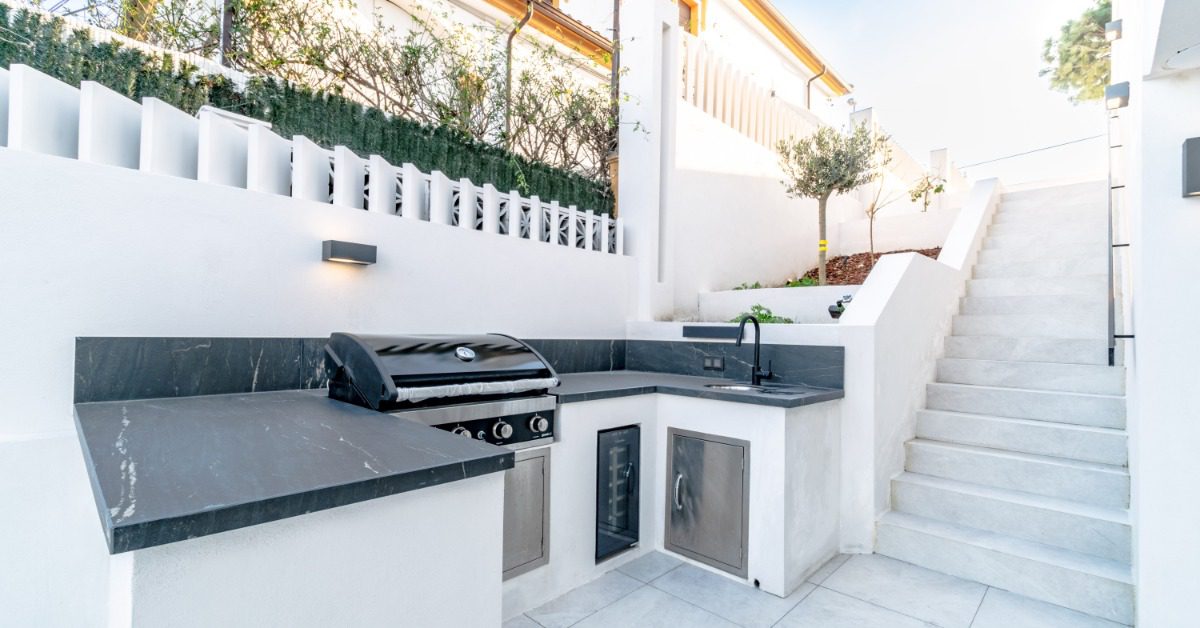
Proper ventilation for outdoor kitchens must integrate into the designs to preserve visual appeal while delivering effective airflow and functionality. Thoughtful placement of vents and hoods ensures that they complement the overall layout without disrupting the aesthetic balance of the space. Proper integration allows homeowners to enjoy both performance and style in their outdoor kitchens.
Aesthetic considerations play a significant role in outdoor living spaces, as these areas often serve as focal points for gatherings and entertainment. Ventilation solutions that blend with design elements enhance the overall experience, creating a cohesive and visually pleasing environment. This harmony contributes to a more enjoyable and inviting atmosphere.
Local Regulations and Compliance
Las Vegas may require adherence to building codes and safety standards that include proper ventilation for outdoor kitchen installations in residential properties. Compliance ensures that the kitchen meets established guidelines designed to protect occupants and maintain safe operation under various conditions. Ignoring these requirements can lead to complications or penalties that affect homeowners negatively.
Professional knowledge helps navigate these regulations, ensuring that ventilation systems meet all necessary standards and function as intended within the local environment. Proper compliance enhances safety and provides peace of mind for homeowners who wish to avoid potential issues. This approach supports responsible and effective outdoor kitchen design.
Professional Expertise in Installation
Design and installation of ventilation systems require specialized knowledge to ensure proper airflow, placement, and compatibility with outdoor kitchen layouts. Incorrect installation can lead to ineffective performance, leaving smoke and heat trapped within the space despite the presence of ventilation components. Skilled professionals address these challenges with precision and expertise.
Working with professionals in custom outdoor kitchens is the best way to achieve reliable ventilation solutions that align with design goals and functional requirements. Their experience ensures that every element works together, creating an efficient system that enhances comfort, safety, and overall usability. This collaboration results in a well-executed outdoor kitchen environment.
Proper ventilation defines the success of outdoor kitchens, where environmental conditions demand thoughtful design and careful attention to airflow. It supports comfort, safety, cleanliness, and performance, ensuring that the space remains enjoyable under a wide range of conditions. Without it, even the most visually appealing kitchen may fail to deliver a satisfying experience.
Investing in effective ventilation protects the structure and the people who use it, creating a balanced environment that encourages regular use. From smoke control to heat management, every aspect benefits from proper airflow that enhances functionality and longevity. A well-ventilated outdoor kitchen stands as a valuable extension of the home, ready to serve for years.
Tags: