
Creating an outdoor kitchen in Las Vegas presents a unique opportunity to blend luxury, comfort, and functionality into one cohesive backyard experience. The desert climate and seasonal temperature swings all influence design choices in ways that differ from other regions. Homeowners who plan carefully can create a space that supports daily use without unnecessary complications.
A thoughtful approach begins with gathering the right information before construction starts. These questions to ask when building an outdoor kitchen help clarify priorities, uncover hidden challenges, and ensure that every feature serves a clear purpose. With the right planning, an outdoor kitchen can become an extension of your home that enhances value and lifestyle.
What Is the Primary Purpose of the Outdoor Kitchen?
Homeowners in Las Vegas evaluate climate and materials to ensure outdoor kitchen plans meet durability goals. A clear purpose defines whether the space supports casual meals, large gatherings, or quiet evenings with family under desert skies. This clarity helps avoid unnecessary features that increase costs without adding meaningful value to the overall experience.
A focused vision also shapes appliance choices and traffic flow throughout the space. Each decision should reflect how often you will use the kitchen and who will use it most. Without this direction, designs can become cluttered and fail to deliver a cohesive outdoor living environment.
How Will the Layout Support Movement and Comfort?
Effective layouts allow guests and hosts to move freely without congestion or awkward transitions between cooking, dining, and relaxation zones. Proper spacing ensures that heat from grills and appliances does not interfere with seating areas or walkways. This approach improves safety while also enhancing the overall experience for everyone present.
Comfort also depends on how well the layout responds to sun exposure and prevailing wind patterns in Las Vegas. Strategic placement of shade structures and barriers can reduce heat and improve usability during warmer months. A well-planned layout transforms the space into a welcoming environment rather than a challenging one.
What Materials Can Withstand the Desert Climate?
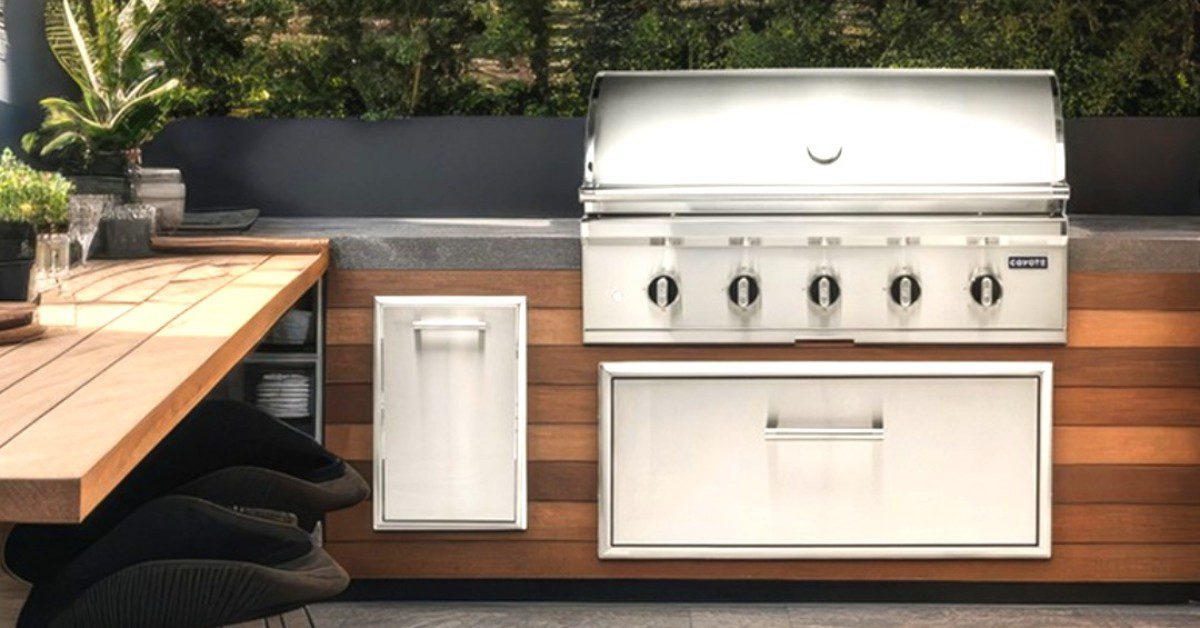
Las Vegas conditions demand materials that resist intense sun and occasional dust storms without fading or deteriorating over time. Stone, stainless steel, and sealed concrete often provide durability and maintain appearance under these demanding conditions. Choosing appropriate materials reduces maintenance needs and extends the lifespan of the outdoor kitchen.
Material selection also affects safety and comfort during use. Surfaces that retain excessive heat can create hazards and limit usability during peak summer hours. Careful choices ensure that the kitchen remains functional and visually appealing throughout the year.
Which Appliances Fit the Intended Use?
Appliance selection should match the cooking style and frequency of use rather than follow trends or unnecessary upgrades. Grills, refrigerators, and storage units should support actual habits and preferences within the household. This alignment ensures efficient use of space and budget without sacrificing performance.
Energy efficiency and durability also matter in outdoor environments. Appliances designed for exterior use perform better and last longer under harsh conditions. Proper selection prevents frequent repairs and supports consistent performance over time.
How Will Utilities Be Installed Safely?
Outdoor kitchens require careful planning for gas, water, and electrical connections to ensure safe and reliable operation. Proper installation reduces inefficient performance during daily use. Compliance with local codes protects the property and its occupants.
Utility placement also influences layout and design flexibility. Early planning allows seamless integration without visible clutter or complicated retrofits. A well-executed system supports convenience while maintaining a clean and organized appearance.
What Storage Solutions Are Necessary?
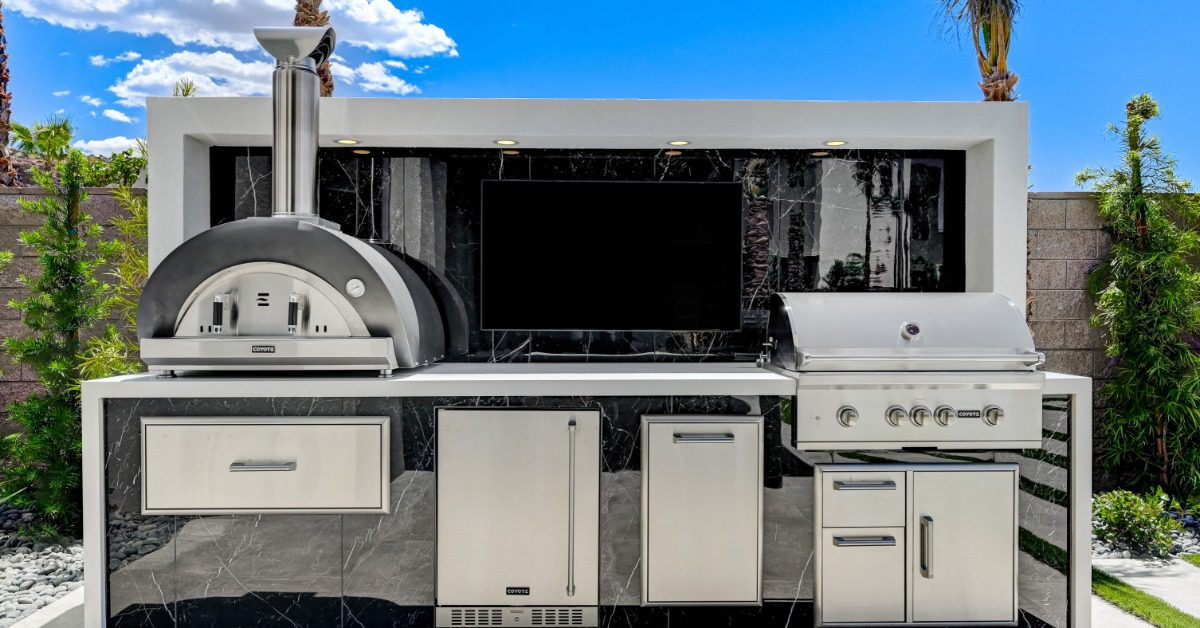
Adequate storage ensures that cooking tools remain accessible without cluttering countertops or workspaces. Cabinets and drawers designed for outdoor conditions protect contents from heat, dust, and moisture exposure. This organization improves efficiency during cooking and entertaining.
Storage planning should reflect actual usage patterns and available space. Oversized storage can waste valuable area, while insufficient storage creates inconvenience. Balanced solutions enhance functionality and visual appeal within the outdoor kitchen.
How Will Lighting Enhance Usability?
Lighting extends the usability of an outdoor kitchen into evening hours. Task lighting ensures safe food preparation, while ambient lighting creates a welcoming atmosphere for guests. Proper placement improves function and aesthetics without overwhelming the design.
Energy-efficient lighting options also reduce long-term costs and maintenance needs. Durable fixtures designed for outdoor use perform better in desert conditions. Thoughtful lighting design enhances the overall experience while maintaining practicality.
Who Should Handle Design and Construction?
Selecting qualified professionals ensures that every aspect of the outdoor kitchen meets safety standards and design expectations. Expertise in local conditions allows better decisions regarding materials, layout, and installation methods. This knowledge reduces risks and improves overall project outcomes.
Working with experienced Las Vegas outdoor kitchen contractors is the best solution to create a durable, efficient, and visually cohesive outdoor space that meets long-term expectations. Their experience helps avoid common pitfalls and ensures that each component functions properly within the desert environment. Professional support provides confidence throughout the entire process from concept to completion.
What Budget Aligns With Long-Term Value?
A realistic budget helps prioritize essential features while avoiding unnecessary expenses that do not contribute to long-term satisfaction. Clear financial boundaries guide decisions and prevent costly revisions during construction. This approach ensures that resources support meaningful improvements rather than impulsive additions.
Long-term value also depends on durability and low maintenance requirements. Investing in quality materials and professional installation reduces future repair costs. A balanced budget supports both immediate enjoyment and lasting performance.
How To Address Shade and Cooling?
Shade structures such as pergolas, covers, or umbrellas reduce direct sun exposure and improve comfort during hot Las Vegas afternoons. Cooling elements like fans or mist systems further enhance usability during peak heat periods. These features transform the space into a practical area rather than a seasonal one.
Design integration ensures that shade solutions complement the overall aesthetic rather than appear as afterthoughts. Proper placement maximizes effectiveness without obstructing views or movement. This balance creates a comfortable and visually appealing environment.
Building an outdoor kitchen in Las Vegas requires more than selecting attractive features or following popular trends. It demands thoughtful planning, careful material selection, and a clear understanding of how the space will function in a demanding climate. Asking the right questions early in the process helps avoid costly mistakes and ensures that every decision contributes to a cohesive and practical design.
With a strong plan and the right expertise, homeowners can create an outdoor kitchen that delivers comfort, durability, and long-term value. Each element should serve a purpose and support the overall experience rather than complicate it. A well-designed outdoor kitchen becomes more than a feature; it becomes a central part of daily life and memorable gatherings.
Tags: